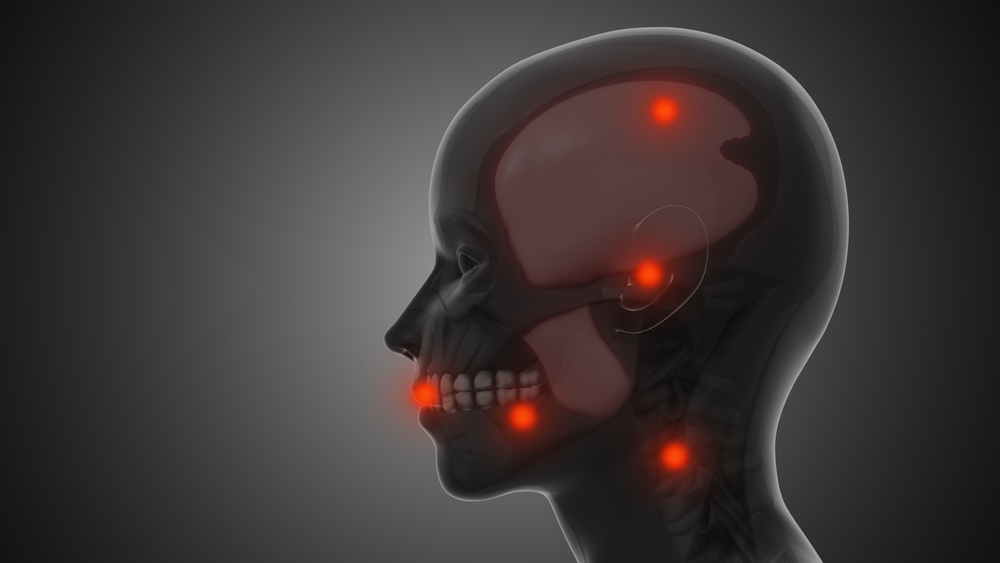
There are a few forms of physical therapy that can have positive effects on multiple different areas of the body, and trigger point therapy is a great example. Did you realize, for instance, that a common application of this approach is trigger point therapy for jaw pain or other facial pain?
It’s true, and at ImPackt Physical Therapy, we’re here to offer a wide range of trigger point therapy for jaw pain, facial issues, or other concerns like headaches & migraines for patients around Riverton, South Jordan, and nearby parts of Utah. Here are some basics on trigger points and how trigger point therapy works, plus the use of trigger point therapy for jaw pain, facial pain, and various headaches.
What is Trigger Point Therapy?
Before we get into the specific uses of trigger point therapy for jaw pain and headaches, let’s first define what it is. Trigger point therapy is a form of massage therapy that focuses on addressing areas of tightness or tension in the muscles.
These small knots, called trigger points, can cause pain and discomfort not only in the area where they are located but also in other parts of the body due to referred pain. By targeting and releasing these trigger points, trigger point therapy aims to alleviate pain and improve mobility.
Trigger Points and Face/Jaw Referral Patterns
When it comes to the face and jaw in particular, trigger points can cause a range of issues such as tension headaches, jaw pain, and even toothaches. This is because the muscles in the face and jaw are often interconnected and can refer pain to each other.
For example, trigger points in the masseter muscle (located in the cheek) can cause pain or tightness in the temporalis muscle (located on the side of the head), which can then lead to tension headaches. Similarly, trigger points in the temporalis muscle can refer to pain in the teeth, causing toothache-like symptoms.
In addition to these specific referral patterns, trigger point therapy for face and jaw muscles can also help with overall relaxation and improved function. By releasing tension in these muscles, individuals may experience decreased jaw clenching and grinding, improved facial symmetry, and even reduced symptoms of temporomandibular joint disorder (TMJD).
Part of a Comprehensive PT Program
Aside from trigger point therapy, there are also other techniques that can be used to improve the health and function of the face and jaw muscles. These include:
- Pressure: Applying gentle pressure to specific areas of the face and jaw can help release tension and promote relaxation.
- Stretching: Incorporating facial stretching exercises into a daily routine can improve range of motion, decrease muscle tightness, and increase flexibility.
- Dry needling: For certain conditions, dry needling may be used to release trigger points and promote healing.
- Soft tissue mobilization: This technique involves applying pressure and manipulation to the soft tissues of the face and jaw to improve blood flow, decrease muscle tension, and reduce pain.
Importance of Posture Correction
As part of many programs involving trigger point therapy for jaw pain and other facial pain, posture correction can play an important role in reducing discomfort and promoting overall health. Poor posture can contribute to muscle imbalances, tension, and pain throughout the body, including the face and jaw. Therefore, correcting poor posture can not only help with managing facial pain but also improve overall well-being.
Facilitating Jaw Relaxation
One of the key aspects of alleviating jaw pain is learning techniques to relax the jaw muscles. Simple practices such as gently massaging the jaw, practicing mindfulness to reduce stress, and maintaining awareness of clenching or grinding habits can make a significant difference.
Additionally, incorporating deep breathing exercises can help release tension and encourage relaxation in the surrounding muscles. By consciously relaxing the jaw throughout the day, individuals can reduce strain, improve muscle function, and support the natural alignment of the jaw.
Value of Physical Therapist Assistance
For any kind of jaw or facial issue you’re considering trigger point therapy to help address, it’s highly recommended to seek the assistance of a physical therapist. These trained professionals specialize in assessing and treating musculoskeletal conditions, including those related to jaw pain and dysfunction.
A physical therapist can work with you to develop an individualized treatment plan that addresses your specific concerns and goals. They can use various techniques such as manual therapy, exercises, and stretching to help alleviate tension and improve muscle function in the jaw area.
At ImPackt Physical Therapy, we’re here to offer the best physical therapy services around Riverton, South Jordan, and nearby parts of Utah, including trigger point therapy for jaw pain, facial pain, headaches, and more. Contact us today to learn more or arrange an appointment!